
Temperature measurement plays an important role in modern electronic systems, industrial equipment, automotive devices, and energy applications. Among various temperature sensing technologies, NTC thermistors are widely used because of their fast response, high sensitivity, compact size, and cost-effective performance.
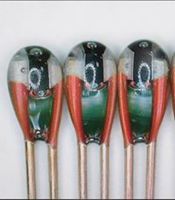
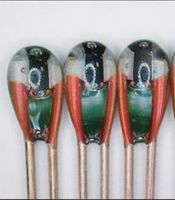
A glass encapsulated NTC thermistor is a specialized type of NTC temperature sensor designed for applications that require high stability, excellent environmental resistance, and reliable performance under demanding conditions. Compared with standard epoxy-coated thermistors, glass encapsulated models provide better protection against moisture, chemicals, and high temperatures.
Choosing the right glass encapsulated NTC thermistor requires a clear understanding of application requirements, including resistance value, B value, operating temperature range, accuracy, response time, and installation conditions.
What Is a Glass Encapsulated NTC Thermistor?
An NTC thermistor is a temperature-sensitive resistor whose resistance decreases as temperature increases. The term NTC stands for Negative Temperature Coefficient, meaning the electrical resistance changes inversely with temperature.
A glass encapsulated NTC thermistor uses a glass coating or glass bead structure to protect the sensing element. The glass package provides excellent sealing performance and helps maintain stable electrical characteristics over long periods of operation.
This type of thermistor is commonly used in applications where reliable temperature monitoring is required, including:
- Industrial control systems
- Battery management systems
- Medical equipment
- HVAC systems
- Automotive electronics
- Heating and cooling equipment
The combination of high sensitivity and durable glass encapsulation makes glass NTC thermistors suitable for both standard temperature monitoring and harsh operating environments.
Why Choose a Glass Encapsulated NTC Thermistor?
Excellent High Temperature Performance
One of the main advantages of glass encapsulated NTC thermistors is their ability to operate in higher temperature environments compared with many epoxy-coated thermistors.
The glass encapsulation provides strong thermal stability and protects the internal sensing element from heat-related damage. This makes glass NTC thermistors suitable for applications involving:
- Heating systems
- Industrial ovens
- Power electronics
- Automotive components
- Temperature control equipment
For applications requiring continuous temperature monitoring under elevated temperatures, a glass encapsulated design offers reliable long-term performance.
Strong Moisture and Chemical Resistance
Environmental conditions can affect the accuracy and lifespan of temperature sensors. Moisture penetration, chemical exposure, and contamination may cause resistance changes or sensor failure.
The sealed glass structure helps protect the NTC element from external conditions, improving durability in environments with:
- High humidity
- Chemical exposure
- Frequent temperature changes
- Outdoor operation
This makes glass encapsulated NTC thermistors a preferred choice for applications where sensor reliability is critical.
Stable and Accurate Temperature Measurement
Temperature sensing accuracy depends on the stability of the thermistor material and its ability to maintain consistent electrical characteristics.
Glass encapsulated NTC thermistors provide:
- Stable resistance values
- Reliable temperature detection
- Low resistance drift over time
- Consistent performance during repeated temperature cycles
For manufacturers designing precision temperature monitoring systems, selecting a stable NTC sensor can improve overall product reliability.
Key Factors When Selecting a Glass Encapsulated NTC Thermistor
Selecting the correct NTC thermistor requires evaluating several technical parameters.
Resistance Value (R25)
The resistance value at 25°C, commonly known as R25, is one of the most important specifications of an NTC thermistor.
Common resistance values include:
- 1KΩ
- 5KΩ
- 10KΩ
- 50KΩ
- 100KΩ
A 10K NTC thermistor is widely used in many temperature control applications because it provides a suitable balance between sensitivity and measurement range.
The correct resistance value should match the requirements of the control circuit or temperature measurement system.
B Value (Beta Value)
The B value represents the relationship between resistance and temperature changes. It indicates how sensitive the thermistor is to temperature variation.
A higher B value generally means the resistance changes more significantly with temperature changes.
When selecting a glass NTC thermistor, engineers should consider:
- Required temperature measurement range
- Circuit design requirements
- Temperature accuracy requirements
Choosing the appropriate B value helps achieve accurate temperature measurement across the operating range.
Operating Temperature Range
Different applications require different temperature capabilities.
Before selecting a glass encapsulated NTC thermistor, consider:
- Minimum operating temperature
- Maximum operating temperature
- Continuous working conditions
- Short-term temperature exposure
For high temperature applications, glass encapsulated NTC thermistors provide better stability compared with many conventional sensor designs.
Accuracy and Tolerance
Thermistor tolerance determines how closely the actual resistance matches the specified value.
Common tolerance options include:
- ±1%
- ±2%
- ±3%
- Custom accuracy requirements
Higher accuracy thermistors are often required in applications such as medical devices, laboratory equipment, and precision temperature control systems.
Physical Size and Installation Requirements
The size and structure of the thermistor affect installation flexibility and response speed.
Important considerations include:
- Glass bead diameter
- Wire length
- Wire material
- Mounting method
- Available installation space
A smaller thermistor typically provides faster response, while larger designs may offer better mechanical protection.
Glass Encapsulated NTC Thermistor vs Epoxy-Coated Thermistor
Both glass and epoxy encapsulated thermistors are widely used, but they are designed for different application requirements.
| Feature | Glass Encapsulated NTC Thermistor | Epoxy-Coated NTC Thermistor |
|---|---|---|
| Temperature resistance | Higher | Moderate |
| Moisture resistance | Excellent | Good |
| Long-term stability | Excellent | Good |
| Response speed | Fast | Fast |
| Cost | Higher | Lower |
| Typical applications | Industrial, automotive, high temperature systems | Consumer electronics, general temperature sensing |
Glass encapsulated NTC thermistors are often selected when reliability and environmental resistance are more important than initial cost.
Applications of Glass Encapsulated NTC Thermistors
Battery Temperature Monitoring
Battery systems require accurate temperature monitoring to maintain safety and performance.
Glass NTC thermistors are used in:
- Lithium battery packs
- Energy storage systems
- Battery charging equipment
- Power management systems
Their stability and compact size make them suitable for monitoring temperature changes inside battery systems.
Industrial Equipment
Industrial machines often operate under challenging conditions. Glass encapsulated thermistors help monitor temperature in:
- Motors
- Heating equipment
- Automation systems
- Industrial controllers
HVAC and Refrigeration Systems
Temperature control is essential for HVAC and refrigeration equipment. NTC thermistors are commonly used for:
- Air conditioning systems
- Refrigerators
- Heat pumps
- Temperature controllers
Medical and Laboratory Equipment
Precision temperature monitoring is required in medical and laboratory environments. Glass NTC thermistors provide reliable sensing performance for equipment requiring stable temperature control.
How to Select the Right Glass NTC Thermistor Supplier
Choosing the right supplier is an important step for manufacturers developing temperature sensing solutions.
Key factors to evaluate include:
Product Customization Capability
Different applications may require customized specifications, including:
- Resistance values
- B values
- Wire configurations
- Dimensions
- Temperature ranges
A supplier with customization capabilities can provide solutions that match specific product requirements.
Quality Control and Testing
Reliable thermistor manufacturers should have strict quality control processes, including:
- Resistance testing
- Temperature accuracy testing
- Reliability testing
- Batch consistency inspection
Consistent product quality helps reduce failures in final applications.
Technical Support
Professional technical support can help engineers select the right thermistor parameters and optimize sensor performance.
Conclusion
Selecting the right glass encapsulated NTC thermistor requires careful consideration of resistance value, B value, temperature range, accuracy, size, and application environment.
With excellent thermal stability, moisture resistance, and reliable temperature measurement performance, glass NTC thermistors are widely used in industrial equipment, battery systems, automotive electronics, and precision temperature control applications.
By understanding application requirements and working with an experienced thermistor manufacturer, businesses can choose a temperature sensing solution that delivers stable performance and long-term reliability.