
Introduction: More Than Just a Resistor
A high-performance NTC thermistor is far more than a simple electronic component. It represents the culmination of precise material science, advanced automation, and rigorous quality control. The journey from raw oxide powders to a finished, hermetically sealed sensor involves multiple intricate steps—each demanding exacting standards to ensure the final product delivers reliable temperature measurement over years of service.
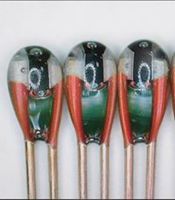
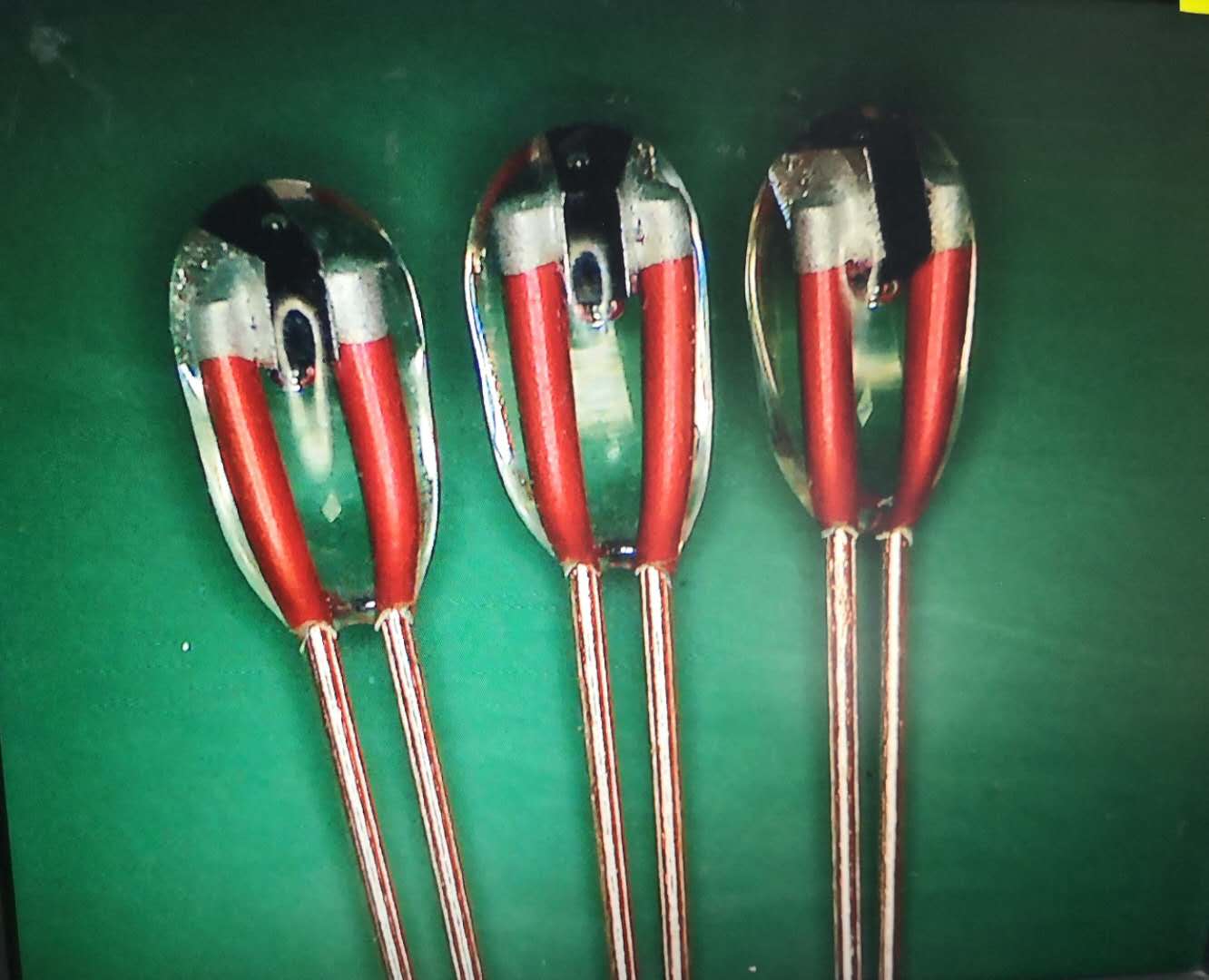
The complexity of NTC thermistor manufacturing is often underestimated. A typical glass-encapsulated thermistor contains a ceramic semiconductor chip whose electrical resistance is finely tuned to change predictably with temperature. This chip must be electrically connected to lead wires, hermetically sealed against environmental attack, and calibrated to exacting tolerances. Any deviation in materials, welding parameters, or testing procedures can compromise the sensor's accuracy and longevity. For automotive and industrial applications where failure is not an option, the manufacturing process must be executed with exceptional discipline.
Precision Welding and Assembly Processes
Automated Welding: The Foundation of Consistent Quality
The first critical step in producing a reliable NTC thermistor is establishing a robust electrical and mechanical connection between the thermistor chip and its lead wires. This connection must withstand thermal cycling, vibration, and mechanical stress throughout the sensor's service life. Manual welding processes, once common in the industry, have given way to fully automated welding equipment that delivers superior consistency and throughput.
Modern automatic welding systems incorporate vision inspection before and after the welding operation. Pre-weld inspection verifies the correct positioning of the thermistor chip and lead wires, ensuring that each component is properly aligned before the weld is made. Post-weld inspection examines the quality of the weld joint, detecting defects that could lead to premature failure. The integration of automated welding with inline inspection has dramatically improved production efficiency while maintaining stringent quality standards.
Chip Placement and Sorting: Achieving Resistance Consistency
Once the thermistor chips are manufactured from high-purity transition metal oxides (manganese, nickel, copper, and other elements) through processes of co-precipitation, milling, isostatic pressing, and high-temperature sintering at 1200 to 1400°C, they must be sorted and placed with exceptional precision. The resistance value of each individual chip can vary slightly due to minute differences in material composition or processing conditions.
High-precision full-automatic chip sorting machines address this challenge by testing each chip's resistance and categorizing them according to their specific values. With sorting yields exceeding 96% for chips produced by advanced manufacturers, these automated systems ensure that only chips meeting the required specifications proceed to assembly. The chips are then placed between lead wires with consistent alignment, preparing them for the glass encapsulation process that will protect them from environmental attack.
Raw Materials and Component Matching
High-Performance Lead Wires: Options for Every Application
The selection of lead wire materials directly impacts the performance and reliability of the finished thermistor assembly. Multiple options are available to suit different application requirements.
For general-purpose applications, tin-plated copper-clad steel (CCS) leads provide a cost-effective solution with adequate corrosion resistance and solderability. These leads are compatible with standard soldering processes and offer sufficient strength for most assembly methods. The tinned coating ensures reliable solder wetting during the assembly process.
Silver-plated nickel leads represent a premium option for applications requiring enhanced corrosion resistance or higher operating temperatures. The nickel substrate provides excellent mechanical strength, while the silver plating offers superior conductivity and solderability. These leads are particularly well-suited for automotive applications where exposure to corrosive fluids and temperature extremes is common.
For specialized applications, Dumet leads—composed of a copper-clad nickel-iron alloy—offer compatibility with glass sealing processes. The thermal expansion characteristics of Dumet leads closely match those of the glass encapsulation, minimizing stress during thermal cycling and ensuring long-term hermetic seal integrity.
Housing and Encapsulation: Protection for Harsh Environments
The glass encapsulation process itself is a critical determinant of the thermistor's long-term reliability. A hermetically sealed glass envelope protects the thermistor chip from moisture ingress, chemical attack, and oxidation. The glass coating is typically applied as a glass paste containing fine glass powder, a binder, and an organic solvent. After application, the glass is heated to drive off the solvent and then sintered at temperatures around 450°C to form a dense, protective layer.
For thermistor assemblies destined for particularly demanding environments, additional housing options are available. Ring lug housings, for example, allow the thermistor to be securely mounted to a surface using a screw or bolt, ensuring good thermal contact with the target surface. Potting with thermally conductive epoxy within metal or plastic housings provides mechanical protection while maintaining thermal response.
Ancillary Materials: Supporting Reliability
The quality of ancillary materials plays a significant role in overall assembly reliability. Epoxy resins used for potting or encapsulation must exhibit appropriate thermal conductivity and chemical resistance for the intended application. Carrier paper tape—an essential component in automated assembly processes—ensures that NTC thermistors can be fed into pick-and-place machines with consistent spacing and orientation. Available in standardized widths such as 14.5mm and 18mm, this tape must comply with RoHS and REACH requirements to meet global environmental standards.
Rigorous Quality Verification and Testing
Semi-Automatic Testing Equipment: Ensuring Quality at Volume
After assembly, each thermistor must undergo electrical testing to verify that its resistance falls within the specified tolerance. Semi-automatic NTC testers streamline this process, enabling efficient testing of large production quantities while maintaining measurement accuracy. These systems typically integrate a multi-channel scanner, precision digital multimeter, and software for data acquisition and analysis.
The test equipment must be capable of measuring resistance with accuracy better than ±0.1% while accommodating thermistors with different nominal resistances and B-values simultaneously. Modern test systems support up to eight configurable temperature points, allowing comprehensive characterization of the thermistor's resistance-temperature relationship. The ability to test multiple thermistor groups concurrently significantly increases throughput while reducing per-unit testing costs.
Constant Temperature Oil Baths: The Gold Standard for Calibration
Accurate calibration demands a stable and uniform temperature environment. Constant temperature oil baths provide this essential capability, offering temperature control accuracy better than ±0.1°C and uniformity within ±0.01°C. These baths use PID controllers to maintain precise temperature setpoints, with continuous stirring ensuring temperature uniformity throughout the bath volume.
The oil bath testing protocol follows well-established principles. The thermistor is immersed in the bath to a sufficient depth, ensuring that the sensing element is fully submerged and isolated from ambient temperature variations through the lead wires or clamps. Temperature measurement is performed as close as possible to the NTC element to minimize measurement errors arising from temperature gradients within the fluid. Sufficient time is allowed for thermal equilibrium to be established before resistance readings are taken.
For high-temperature testing above 100°C, silicone oil is typically used due to its thermal stability and non-conductive properties. The testing system software acquires resistance data at each temperature point, calculates the temperature deviation, and generates comprehensive test reports and certificates. Raw test data is automatically archived, enabling traceability and quality review.
The Value of a One-Stop Solution
Full-Spectrum Manufacturing Support
The complexity of NTC thermistor manufacturing makes the availability of a one-stop solution particularly valuable. A manufacturer capable of providing everything from raw NTC chips and lead wires to finished assemblies and production equipment simplifies the supply chain and ensures consistency across the entire manufacturing process.
The ability to provide NTC chips in round, square, or rectangular configurations, with silver coating and custom resistance values, allows customers to specify exactly the characteristics they require. Supporting the production line with carrier tape, packaging materials, and assembly equipment further streamlines the path from concept to finished product.
Two Decades of Experience and ISO9001 Certification
Experience is a critical differentiator in the thermistor industry. Decades of production history have demonstrated the effectiveness of glass-encapsulated thermistor designs in demanding applications. The PSB-S1 series, for example, has maintained a production track record exceeding 30 years in automotive and appliance applications—a testament to the durability and reliability of well-engineered glass-encapsulated designs.
ISO9001 certification provides formal verification of quality management systems. This certification ensures that manufacturing processes are documented, controlled, and continuously improved. For customers, ISO9001 certification offers confidence that the products they receive will meet consistent quality standards.
Conclusion: Technology Empowers Precision Sensing
The manufacturing of high-quality NTC thermistors demands a harmonious integration of advanced automation, premium materials, and rigorous quality control. Automated welding equipment ensures consistent and reliable electrical connections. Precision sorting machines guarantee resistance consistency across production batches. Constant temperature oil baths provide the stable environment necessary for accurate calibration. Each step in the process is essential to the final product's performance.
For engineers and procurement professionals seeking reliable temperature sensing solutions, understanding the manufacturing process behind the component can inform better selection decisions. Horle combines ISO9001-certified quality management with extensive industry experience to deliver thermistors and assemblies that meet demanding specifications. With a commitment to precision manufacturing and material excellence, Horle continues to provide temperature sensing solutions that engineers can rely on for critical applications.