
Introduction: The Precision Challenge in Electronics Manufacturing
In the intricate world of modern electronics, temperature monitoring and protection are not merely ancillary functions; they are the bedrock of safety and performance. NTC (Negative Temperature Coefficient) thermistors, which decrease in resistance as temperature rises, serve as critical components in everything from electric vehicle battery packs and medical devices to smart home appliances. Their role is simple yet vital: to detect heat anomalies and trigger protective measures before catastrophic failure occurs.
However, the journey from a raw semiconductor wafer to a reliable, finished temperature sensor is fraught with logistical complexity. For many mid-sized electronics manufacturers, the core pain point is not the design of the circuit, but the inefficiency of sourcing components from multiple, disconnected suppliers. A typical sensor might require high-precision lead wires from one vendor, a specific epoxy resin or glass encapsulation chip from a second, a protective metal housing from a third, and even the testing equipment from a fourth. This fragmented supply chain inevitably leads to mismatched component tolerances, inconsistent quality standards, delayed shipments, and a significant drain on engineering resources spent on troubleshooting compatibility issues. As production scales up, this "multi-supplier headache" becomes the primary bottleneck to achieving both high quality and high volume.
Core Advantages: Why "One-Stop" Supply is Critical
To solve this systemic inefficiency, the electronics assembly industry is increasingly turning to the "one-stop" or "turnkey" supplier model. A truly integrated supplier does more than just sell parts; it takes ownership of the entire material ecosystem required to build a temperature sensor.
Horle stands as a prime example of this beneficial model. With approximately 20 years of industry experience, Horle has evolved from a simple parts dealer into an ISO9001-certified manufacturer that embodies the one-stop philosophy. Their corporate policy is explicit: to provide a comprehensive, full-chain solution covering everything from raw NTC materials to finished sensor components and the automated production machines that assemble them.
What does this mean for the manufacturer? First, it drastically reduces procurement complexity. Instead of managing purchase orders and quality audits for five different vendors, a single purchasing relationship covers the entire bill of materials. Second, it ensures perfect compatibility. Because Horle designs its platinum or silver electrode chips, its PTFE or FEP insulated lead wires, and its sensor housings to work together, assembly engineers no longer waste time fixing mismatches between a lead wire from Supplier A and a weld pad from Supplier B. Finally, it lowers the total cost of ownership. Consolidated shipping, reduced inventory overhead, and a single point of warranty and technical support translate directly to a healthier bottom line.
Deep Dive: Key Components of High-Quality Temperature Sensors
A temperature sensor is only as reliable as its weakest subcomponent. Understanding the specific materials required for high-precision sensing reveals why a deep inventory from a single source like Horle is so valuable.
High-Precision Lead Wires
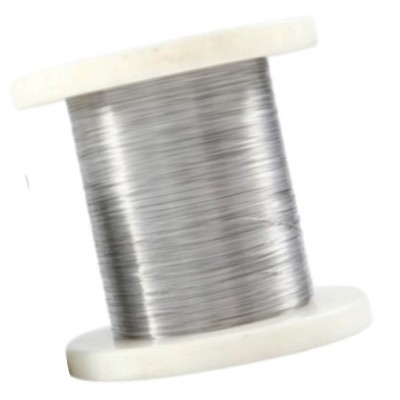
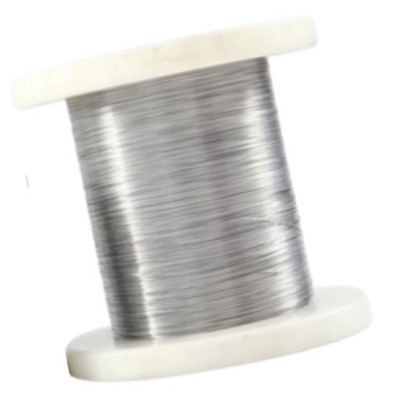
The leads are the electrical bridge between the NTC chip and the external circuit. The choice of wire directly impacts solderability, conductivity, and long-term corrosion resistance. Horle offers a wide range of NTC bare wires and insulated wires tailored to specific applications.
For bare wire applications, options include silver-plated nickel wire, which is preferred for high-temperature or high-humidity environments due to its excellent oxidation resistance, and tin-plated copper-clad steel wire, which offers high tensile strength for coil winding or long-lead configurations. For insulated wires, used in finished probe assemblies, Horle supplies PTFE (polytetrafluoroethylene) wire for extreme thermal environments, FEP (fluorinated ethylene propylene) for superior chemical resistance and flexibility, and XLPE (cross-linked polyethylene) for cost-effective, reliable insulation in consumer electronics.
Packaging Materials and Accessories
Beyond the leads, the physical protection of the NTC chip is paramount. Horle's catalog includes critical packaging components such as glass-encapsulated NTC thermistors featuring gold or silver electrodes; these hermetically sealed chips are essential for automotive or industrial sensors exposed to moisture or vibration.
Additionally, Horle supplies a full range of sensor housings (including standard copper tubes and custom plastic molds), high-thermal-conductivity epoxy resins for filling and sealing, and even 3M double-sided adhesive pads for surface-attached temperature sensing on battery cells or heat sinks. By having all these materials—from the raw chip to the final glue—available from a single ISO9001 source, manufacturers eliminate the risk of incompatible chemical or mechanical interfaces.
Technology-Driven: How Automation Equipment Boosts Competitiveness
Having the right materials is only half the battle; the other half is assembling them with precision and speed. In many factories, even when high-quality raw materials are available, manual or semi-manual assembly introduces variability and defects. Recognizing this, Horle has invested heavily in developing its own line of automation production equipment specifically designed for NTC thermistor manufacturing.
This equipment suite includes fully automatic soldering machines. These systems use precise temperature-controlled irons or resistance welding to attach leads to chips without damaging the delicate semiconductor. By automating this step, manufacturers eliminate cold solder joints and achieve consistent pull-strength results across millions of units.
Another critical piece is the intelligent resin impregnation machine. When dip-coating a sensor head or filling a housing, the exact viscosity and depth of the resin or epoxy determine the sensor’s moisture resistance. Horle's intelligent machines monitor the resin level and immersion time automatically, ensuring a void-free coat every time.
Furthermore, Horle provides chip sorting machines and semi-automatic testers. Before assembly, the chip sorter classifies raw NTC chips by their exact resistance and B-value (material constant), ensuring only in-tolerance components move forward. After assembly, the semi-automatic tester verifies each finished sensor’s resistance at multiple temperature points (e.g., 25°C and 85°C) against standard thermometers. These machines not only improve yield but also generate critical quality data for process control.
For the manufacturer, adopting these machines means transforming a labor-intensive, error-prone process into a high-speed, highly accurate production line. The result is a dramatic reduction in manufacturing costs, faster turnaround times, and the ability to bid for high-volume contracts that require six-sigma quality levels.
Conclusion: Upgrade Your Manufacturing with Horle
In a competitive electronics market, manufacturing inefficiency is a silent profit killer. The complexity of sourcing high-precision NTC chips, specialized lead wires, compatible housings, and reliable assembly machines from multiple, uncoordinated vendors is no longer a viable strategy.
By choosing a one-stop supplier like Horle, manufacturers can effectively cut through that complexity. With 20 years of experience and ISO9001 certification, Horle provides the full chain: from bare plated wire and glass-encapsulated chips to automated soldering and testing equipment. Consolidating your supply chain with Horle reduces procurement overhead, guarantees component compatibility, and provides access to advanced automation that boosts production quality and yield.
When you partner with Horle, you are not just buying components; you are adopting an integrated manufacturing solution designed to elevate the quality of your temperature sensors while driving down the cost of producing them. The future of efficient electronics assembly relies on one-stop partnerships, and Horle is ready to lead that transformation.