
Quick Summary:
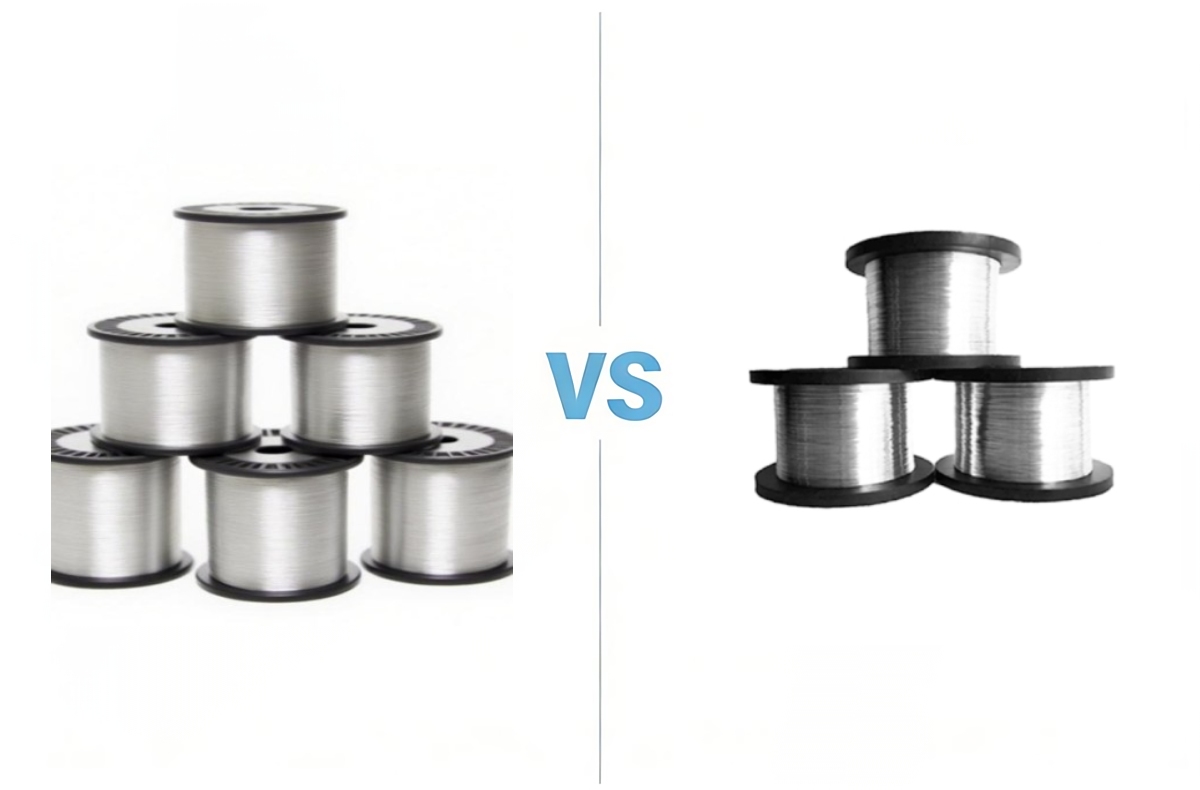
The main difference between silver-coated nickel wire and tin-coated nickel wire lies in their plating and performance. Silver-plated nickel wire offers excellent conductivity and good corrosion resistance (especially against sulfurization), and is often used in high-frequency, high-reliability applications (such as aerospace and medical equipment). Tin-plated nickel wire, on the other hand, is lower in cost, offers excellent solderability, and provides good corrosion protection, although not as good as silver plating. It is widely used in general electronics, wiring harnesses, and other applications requiring soldering.
For wire harness engineers and product designers working in aerospace, automotive, or heavy industrial sectors, the base material is rarely the only consideration. While Nickel is the gold standard for high-temperature resistance, the plating material often dictates the wire's processability, conductivity, and final cost.
The debate between Silver Plated Nickel Wire and Tin Plated Nickel Wire isn't just about price—it's about matching thermal limits and electrical performance to your specific application.
This guide breaks down the technical differences, benefits, and use cases to help you engineer the perfect solution.
1. The Base: Why Nickel Wire?
Before diving into the plating, it is crucial to understand why we use a Nickel core. Unlike copper, which oxidizes rapidly above 150°C, pure Nickel offers:
- Extreme Thermal Stability: Melts at 1455°C.
- Corrosion Resistance: Excellent resistance to acids and alkalis.
- Mechanical Strength: Superior durability in vibrating environments.
However, bare nickel can be difficult to solder and may develop a passive oxide layer over time. This is where plating becomes essential.
2. Silver Plated Nickel Wire: The High-Performance Champion
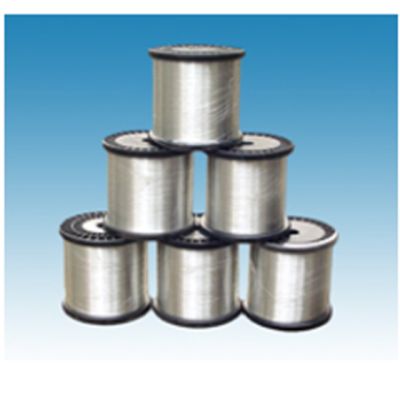
Silver Plated Nickel Wire represents the premium tier of high-temperature cabling. It combines the refractory properties of nickel with the unmatched conductivity of silver.
Key Advantages
- The "Skin Effect" & Conductivity: Silver is the most conductive metal. In high-frequency applications, current travels along the surface of the wire (the "skin"). A silver coating significantly reduces signal loss compared to bare nickel or tin.
- Extreme Temperature Rating: Silver plating can withstand temperatures up to 650°C without degrading. It does not melt or migrate easily until extreme thresholds are reached.
- Aesthetic and Chemical Stability: Silver resists oxidation at high temperatures better than tin, maintaining a clean surface for reliable contact over decades.
Target Applications
- Aerospace engine sensors.
- High-frequency signal transmission cables.
- Medical devices requiring high reliability (e.g., MRI wiring).
Explore our Silver Plated Nickel Wire Specifications
3. Tin Plated Nickel Wire: The Cost-Effective Workhorse
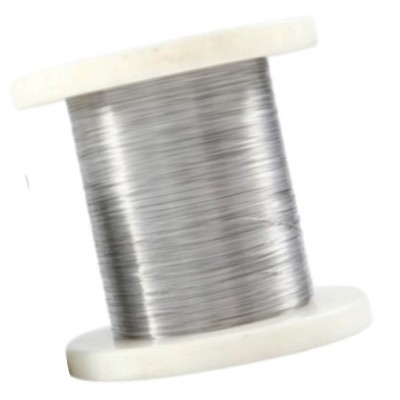
For industrial applications where temperatures are high—but not extreme—Tin Plated Nickel Wire is the most logical engineering choice. It offers the protection nickel needs without the premium price tag of silver.
Key Advantages
- Superior Solderability: Tin is the primary component of most solders. A tin coating ensures that the nickel wire can be soldered quickly and reliably on automated production lines, reducing cycle time.
- Oxidation Protection: Tin creates a barrier that prevents the nickel core from interacting with oxygen and moisture, extending the shelf life of the wire before processing.
- Cost Efficiency: Tin is significantly cheaper than silver. For large-volume production of heating elements or industrial sensors, this material difference can save thousands in BOM (Bill of Materials) costs.
Limitations
- Temperature Cap: Tin has a much lower melting point (~232°C). While the nickel core can handle more, the tin coating may reflow if the ambient temperature exceeds 200°C-250°C.
Target Applications
- Heating elements and ovens.
- Automotive sensors (non-engine block).
- Industrial appliance wiring.
View Tin Plated Nickel Wire Options
4. Engineering Comparison Matrix
Use this table to select the right wire for your project.
| Feature | Silver Plated Nickel Wire | Tin Plated Nickel Wire |
| Max Operating Temp | High (Up to 650°C) | Moderate (Up to 250°C) |
| Conductivity | Excellent (Best) | Good |
| Solderability | Good (Requires active flux) | Excellent (Easiest) |
| Corrosion Resistance | Excellent | Very Good |
| Cost | High | Low |
| Primary Use | Aerospace, HF Signals, Medical | Industrial Heating, Appliances |
6. Selection Guide: Which Wire Do You Need?
To ensure the longevity of your application, answer these three questions:
1. What is the peak operating temperature?
- If it is above 250°C, you must use Silver Plated Nickel Wire. The tin coating will melt and potentially cause short circuits or connection failures at these temperatures.
- If it is below 200°C, Tin Plated Nickel Wire provides the same mechanical strength at a fraction of the cost.
2. Is signal integrity critical?
- For power transmission, nickel is sufficient. However, if you are transmitting high-frequency data (RF signals), the Silver Plated option is non-negotiable due to the skin effect.
Conclusion
Choosing between silver and tin plating is a balance of thermal requirements and budget.
- Choose Silver Plated Nickel Wire for mission-critical, high-temperature, or high-frequency environments.
- Choose Tin Plated Nickel Wire for reliable, easy-to-solder industrial connections in environments under 250°C.
At Horle, we specialize in precision wire manufacturing for the most demanding industries. Whether you need the conductivity of silver or the efficiency of tin, we can customize the plating thickness and wire diameter to your exact specifications.
Ready to upgrade your wiring harness? Browse All Specialty Wire Products and Contact Our Engineering Team for a Quote.