
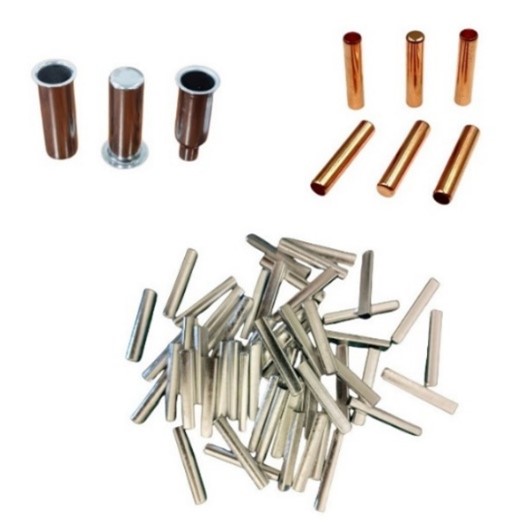
Thermal sensor housings play a crucial role in protecting sensitive temperature measurement devices from harsh conditions while ensuring accurate readings. Choosing the right material for a thermal sensor housing can significantly impact its durability, performance, and overall reliability. Manufacturers like Horle provide a variety of high-quality thermal sensor housings designed to meet different industrial, electronic, and environmental requirements. This article explores the top materials used in thermal sensor housing and their key benefits.
Ceramic Thermal Sensor Housing
Ceramic is one of the most reliable materials for thermal sensor housing, offering outstanding high-temperature resistance and excellent insulation properties. These features make ceramic housings particularly suitable for applications where sensors are exposed to extreme heat or need electrical isolation.
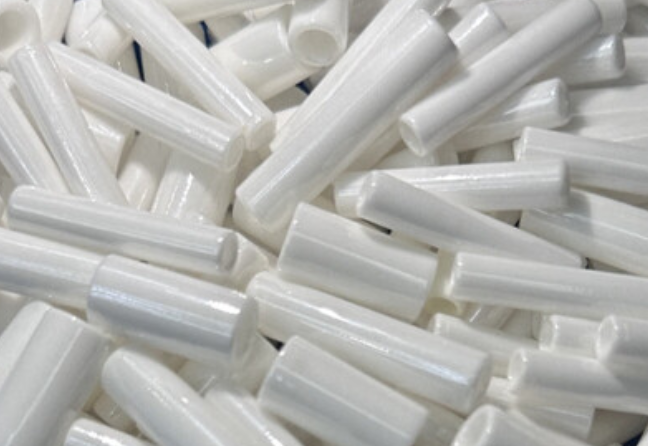
Ceramic Thermal Sensor Housing Supplier
Benefits of Ceramic Housing:
High-Temperature Resistance: Ceramic housings can withstand temperatures that would damage other materials, making them ideal for furnaces, industrial equipment, and high-heat electronics.
Electrical Insulation: Ceramic’s natural insulation properties protect sensitive sensors from electrical interference and short circuits.
Durability: Resistant to corrosion and wear, ceramic housings ensure long-lasting performance in harsh environments.
Precision Applications: Due to its stability, ceramic housing supports accurate temperature readings, even under fluctuating conditions.
These advantages make ceramic thermal sensor housings a preferred choice in electronics, industrial machinery, and other demanding fields.
Metal Thermal Sensor Housing
Metal housings are another popular choice, offering strength, heat dissipation, and flexibility in design. Common metals used for thermal sensor housings include aluminum, stainless steel, copper, and brass. Each material brings unique properties that suit different applications.
Aluminum Housing
Aluminum is lightweight, corrosion-resistant, and offers excellent thermal conductivity. It is widely used for sensors that need quick heat transfer while maintaining protection. Its lightweight nature also makes aluminum ideal for portable devices and applications where reducing weight is important.
Stainless Steel Housing
Stainless steel offers exceptional strength, corrosion resistance, and durability. It is suitable for harsh industrial environments, outdoor applications, and chemical processing areas. Stainless steel housings can withstand mechanical stress and exposure to moisture or chemicals without compromising performance.
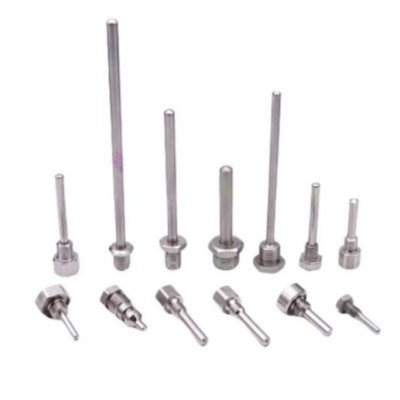
Metal Thermal Sensor Housing Manufacturer
Copper Housing
Copper is known for its excellent thermal conductivity, which helps in rapid heat transfer for temperature-sensitive applications. Copper housings are commonly used in precision sensors that require fast response times and consistent temperature measurements.
Brass Housing
Brass combines corrosion resistance with good thermal conductivity. It is often used in applications requiring both durability and accurate thermal performance, including HVAC systems and industrial equipment.
Shapes and Customization
Thermal sensor housings are available in a variety of shapes, including round, half-round, triangle, and rectangular designs. The choice of shape often depends on the specific sensor design, installation requirements, and environmental conditions. Custom shapes allow manufacturers to provide optimal protection and ensure precise sensor performance.
Choosing the Right Thermal Sensor Housing
Selecting the right material and design for a thermal sensor housing depends on several factors:
Operating Temperature: Ceramic is ideal for extreme heat, while metals like aluminum and copper are suitable for moderate to high temperatures.
Environmental Conditions: Stainless steel and brass are perfect for environments with moisture, chemicals, or mechanical wear.
Sensor Sensitivity: Materials with high thermal conductivity, such as copper and aluminum, help achieve faster and more accurate temperature readings.
Installation Requirements: Shape and size should match the installation environment to ensure optimal protection and sensor performance.
Thermal Sensor Housing Supplier
Why High-Quality Thermal Sensor Housings Matter
Investing in high-quality thermal sensor housings ensures longevity, safety, and reliable readings. Poor-quality materials can lead to sensor damage, inaccurate measurements, and costly maintenance. Manufacturers like Horle focus on producing durable, high-performance thermal sensor housings that meet international standards and provide peace of mind for engineers and technicians worldwide.
Conclusion
Thermal sensor housing is more than just a protective cover—it is a critical component that ensures sensors operate accurately and safely under various conditions. Materials like ceramic, aluminum, stainless steel, copper, and brass each offer unique advantages, from high-temperature resistance to superior conductivity and durability. By understanding the benefits of each material and selecting the right housing for your application, you can enhance sensor performance and longevity.
Horle provides a comprehensive range of high-quality thermal sensor housings designed for different industries and applications. With customizable shapes and premium materials, our solutions ensure reliable protection and precise temperature measurements for your projects worldwide.