
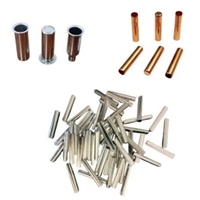
A sensor housing does more than protect the sensing element. In high-temperature, high-pressure, or chemically aggressive applications, the housing must also prevent gas and moisture from entering the assembly.
That is where hermetic sealing becomes critical.
This guide explains what a hermetic sensor housing is, how it is sealed, how it is tested, and what engineers should specify before requesting a custom design.
What Does “Hermetic” Mean for a Sensor Housing?
In sensor engineering, a hermetic seal is a gas-tight seal that prevents gas, moisture, and contaminants from passing between the outside environment and the internal cavity.
A truly hermetic housing is usually verified by a leak test, not only by visual inspection or an IP rating.
Hermetic vs IP-Rated vs Water-Resistant
These terms are not interchangeable:
- IP67 or IP68 describes protection against dust and water ingress under defined test conditions.
- Water-resistant usually means limited protection against splashing or short-term immersion.
- Hermetic means gas-tight, often verified at a much lower leak-rate threshold.
A housing can be waterproof but not hermetic. If the application requires long-term protection against moisture penetration or gas exchange, the specification should include a leak-rate requirement.
Common Hermetic Sealing Methods
Glass-to-Metal Seal
Glass-to-metal sealing is common for sensor probes, thermocouples, and electrical feedthroughs. Glass is melted between the metal housing and a pin or conductor to create a strong, gas-tight bond.
Glass-to-metal seals are often used in high-temperature and high-pressure applications because they provide excellent electrical isolation and mechanical strength.
Ceramic-to-Metal Seal
Ceramic-to-metal sealing offers high temperature capability and strong electrical insulation. It is used when the sensor must operate in extreme environments or when multiple feedthroughs must be isolated from each other.
Laser Welding
Laser welding is used to join a lid, cap, or sleeve to the sensor housing. It creates a narrow heat-affected zone and can produce a clean, repeatable hermetic joint.
Laser welding is well suited to stainless steel and small, precision assemblies.
Electron Beam Welding
Electron beam welding is used for high-purity or vacuum applications. It can produce deep, narrow welds with minimal contamination, but it requires specialized equipment and often a vacuum chamber.
Brazing and Soldering
Brazing or soldering can join metal components while providing a seal. The choice depends on the operating temperature, base materials, and whether the assembly must tolerate later high-temperature exposure.
Epoxy and Polymer Sealing
Epoxy or polymer seals are lower-cost options for less demanding environments. They can provide good environmental protection, but they are not always equivalent to a true hermetic seal.
If the application requires a lower-cost encapsulated solution, review our epoxy resin and confirm whether the specified leakage performance can be met.
Material Selection for Hermetic Sensor Housings
The housing material must match the sealing method, operating temperature, media, and expansion characteristics of the internal sensing element.
Stainless Steel
Stainless steel is the most common choice for sensor housings. It offers corrosion resistance, mechanical strength, and good compatibility with welding and machining.
Nickel Alloys
Nickel alloys are used in high-temperature or corrosive environments. They provide excellent oxidation resistance, but they are generally more expensive than stainless steel.
Kovar and Controlled-Expansion Alloys
Kovar is often used in glass-to-metal seals because its thermal expansion can be matched to certain glasses. This reduces stress during thermal cycling.
Ceramic
Ceramic housings are used where electrical isolation, high temperature resistance, or chemical inertness is required. Ceramic-to-metal sealing can be more complex but offers strong performance in extreme conditions.
Titanium
Titanium offers high strength-to-weight ratio and excellent corrosion resistance. It is used in aerospace, medical, and specialized industrial applications where weight or biocompatibility matters.
Leak Testing Methods
The right leak test depends on the required leak rate, housing volume, and production volume.
Helium Leak Detection
Helium leak detection is one of the most sensitive methods. The assembly is pressurized or exposed to helium, and a mass spectrometer detects escaping gas.
This method is commonly used for high-reliability hermetic seals.
Pressure Decay Test
A pressure decay test pressurizes the housing and monitors pressure loss over time. It is simpler than helium testing but generally less sensitive.
Bubble Test
A bubble test submerges the pressurized assembly in liquid and looks for escaping bubbles. It is low-cost and useful for gross leak detection, but it is not suitable for very fine leak rates.
Mass Spectrometer Testing
Mass spectrometer leak testing can detect extremely small leaks and is often used for critical sensor assemblies.
The required test should be written into the drawing or specification. Avoid specifying only “hermetic” without a measurable leak rate or test method.
High-Temperature and Pressure Considerations
Hermetic housings that must survive thermal cycling need careful material matching. Large differences in thermal expansion can create stress at the seal and lead to cracks or gradual leakage.
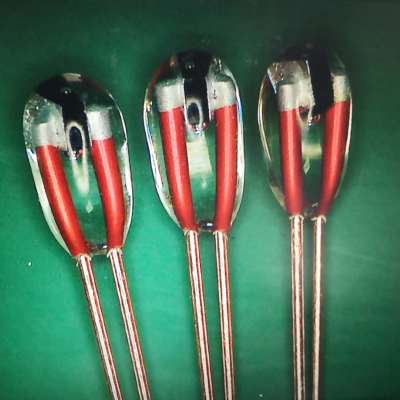
For high-temperature sensing elements, the housing should be reviewed together with the thermistor and lead wire system. Our glass encapsulated NTC thermistors are often used inside sealed probes where stability under harsh conditions is required.
DFM Checklist for Custom Hermetic Housings
Before requesting a custom housing, prepare the following:
- Housing material and plating requirements.
- Sealing method: welding, brazing, glass-to-metal, ceramic-to-metal, or epoxy.
- Internal cavity dimensions.
- Number of feedthroughs and pin spacing.
- Required leak rate and test method.
- Operating temperature and pressure range.
- Thermal cycling requirements.
- Chemical exposure.
- Surface finish and cleanliness requirements.
- Target production volume and target cost.
If the housing will be produced by deep drawing, review our deep drawn housing techniques. For a general overview of deep drawn parts, see deep drawn parts in metal stamping.
How the Sensor, Housing, and Wire Work Together
A hermetic housing is only one part of the sensor system. The NTC chip, lead wire, and seal must be selected together to avoid thermal mismatch, electrical leakage, or assembly failure.
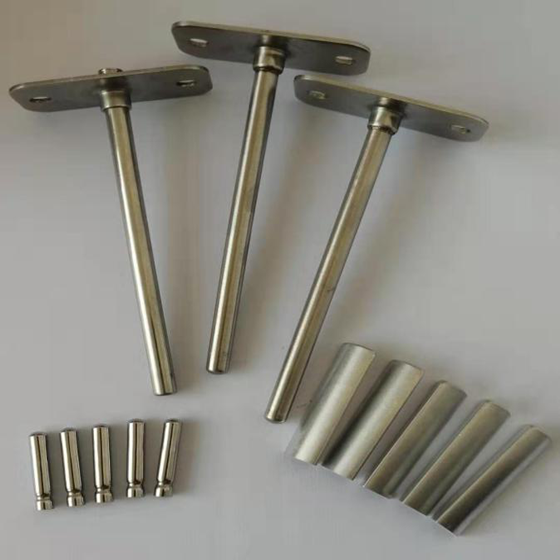
For the sensing element, review our NTC thermistor chips. For complete housing options, see our sensor housing product page.
If you need additional guidance on housing protection and performance, read temperature sensor housing: protection, precision, and performance.
Frequently Asked Questions
Is an IP68 housing hermetic?
Not automatically. IP68 describes water ingress protection under specific test conditions. A hermetic housing is normally verified by a gas leak test and can provide a much lower leak rate.
What is the best sealing method for high temperature?
Glass-to-metal and ceramic-to-metal seals are often preferred for high-temperature applications because they can maintain a stable seal during thermal cycling.
Can epoxy create a hermetic seal?
Epoxy can provide strong environmental protection, but it is not always equivalent to a metal or glass hermetic seal. The application’s leak-rate requirement determines whether epoxy is acceptable.
How do I specify a leak rate?
Include the test method, leak-rate limit, test pressure, and pass/fail criteria in the drawing or specification. A vague “hermetic” requirement is difficult to verify.
Which housing material should I choose for a corrosion-resistant sensor?
Stainless steel is a common starting point. Nickel alloys or titanium may be required in more aggressive chemical or high-temperature environments.
Next Step
Define the operating environment, sealing method, and measurable leak requirement first. Then work with the manufacturer to match the housing material, sensing element, and lead wire system.
Review our sensor housings, glass encapsulated NTC thermistors, and the full HORLE product range to begin the design review.