
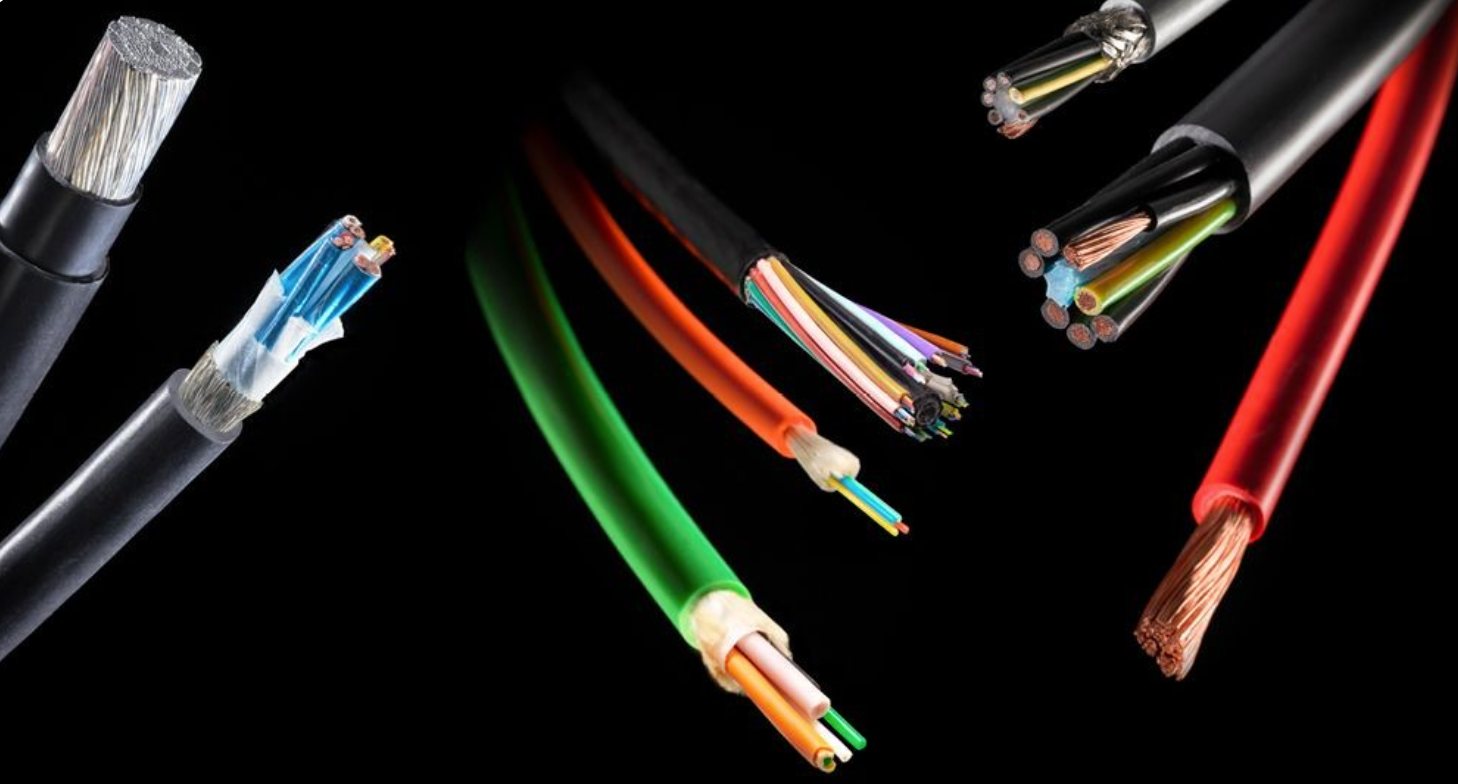
Choosing the right wire material for lead wires is not just a matter of selecting a conductor with acceptable electrical performance. In many industrial, sensing, and harsh-environment applications, wire performance depends on the complete construction of the product, including the conductor, surface finish, insulation system, processing requirements, and the actual operating environment.
A wire that performs well in one application may not be suitable for another. Lead wires used in temperature sensors, compact assemblies, high-performance electrical systems, or chemically exposed environments often need to balance oxidation resistance, process compatibility, insulation performance, mechanical durability, and long-term reliability. Because of this, material selection should be based on the real application and final wire construction, not on material names alone.
This guide explains how to evaluate wire materials from three practical perspectives: conductor options, insulation types, and end-use applications. The goal is to help engineers, buyers, and technical sourcing teams choose wire constructions more accurately and avoid common material selection mistakes.
Understanding Wire Selection as a Complete Construction
Wire selection is often oversimplified. In practice, a lead wire should be evaluated as a complete structure rather than as an isolated conductor or insulation material.
Conductor and Surface Finish
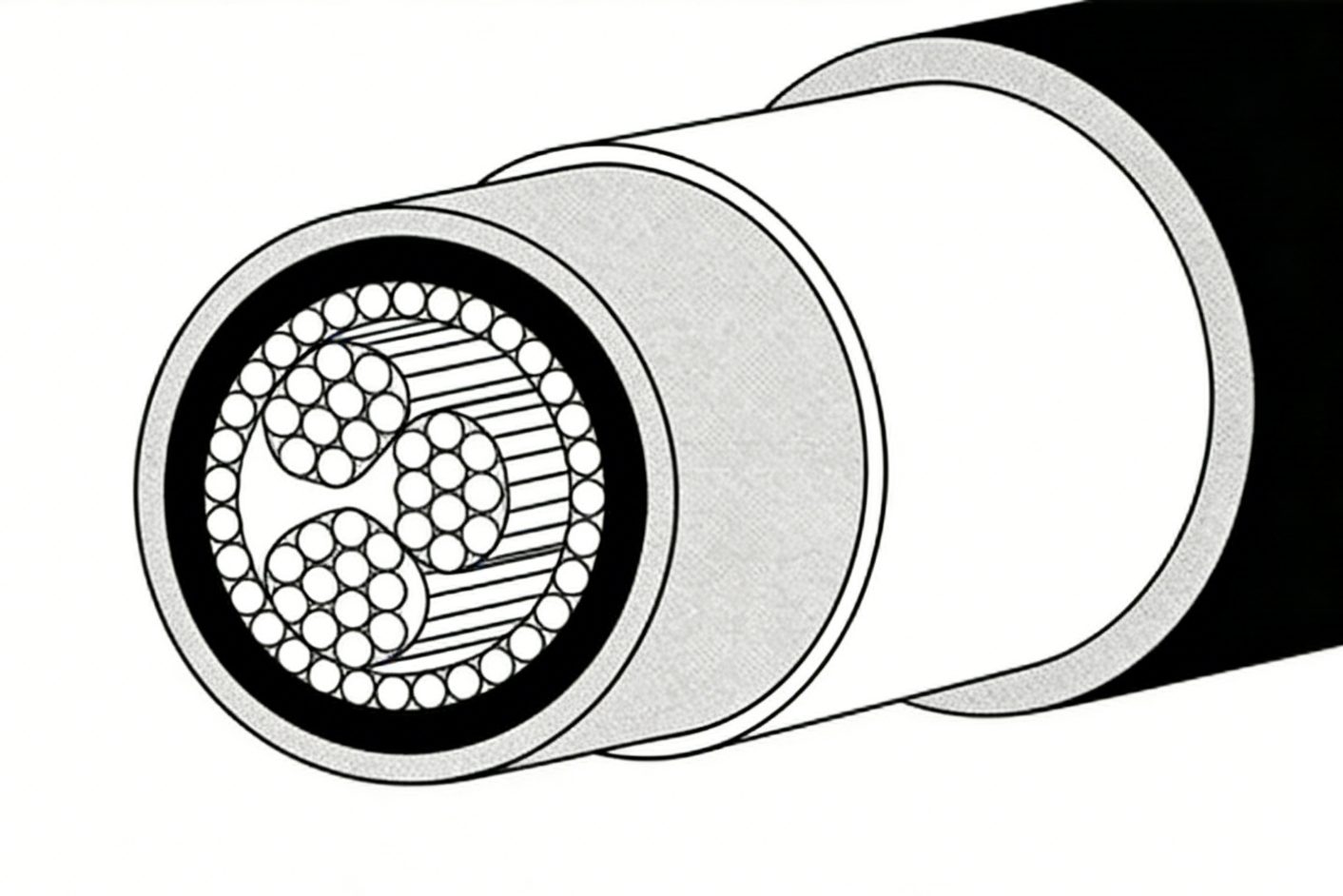
The conductor is the electrical core of the wire. Its material and surface finish can influence conductivity, oxidation behavior, assembly compatibility, and long-term stability. In some lead wire designs, conductor structure may also affect strength, flexibility, and application suitability.
Insulation Material
The insulation layer determines how the wire performs in its installation environment. Depending on the material and construction, insulation may affect chemical resistance, temperature capability, abrasion behavior, handling during assembly, and suitability for compact routing.
End-Use Environment
The final application should always guide the material decision. Important factors may include:
- Continuous operating condition
- Peak exposure and duration
- Contact with oils, solvents, cleaning agents, or process chemicals
- Flexibility and routing requirements
- Soldering, stripping, bonding, or other assembly methods
- Reliability expectations over the intended service life
In practical terms, the best wire material is usually not the one with the highest rating in one category, but the one that best matches the total application requirement.
Common Conductor Options for Lead Wire Applications
Different conductor systems are used for different priorities. Rather than assuming one conductor type is always better, it is more useful to understand where each option is commonly applied and what trade-offs may be involved.
Bare Conductors
Bare conductors are used in some general-purpose applications where no additional surface finish is required. They may offer good conductivity and cost advantages, but their suitability depends heavily on storage conditions, environmental exposure, and termination requirements.
Because bare conductors offer less surface protection than plated alternatives, they should be evaluated carefully in applications involving humidity, extended storage, or demanding surface performance.
Tin-Coated Conductor Options
Tin-coated conductors are commonly used where a balance of cost, processing compatibility, and general oxidation resistance is needed. Depending on the conductor base and final wire design, tin-coated options are often used in equipment wiring, sensor leads, and standard insulated lead wire constructions.
In application-specific designs, tin-coated alloy conductors may also be used in NTC, PTC, and other sensor lead wire applications, especially where the final construction needs to support both electrical connection and functional integration with the sensing element.
The key point is that tin coating alone does not define performance. The base conductor material, wire geometry, and final insulation system all influence the result.
Silver-Finished Nickel-Based Conductor Options
In higher-performance lead wire constructions, nickel-based conductors with a silver-finished surface are often considered where users need a combination of surface stability, oxidation resistance, and compatibility with demanding insulation systems.
These conductor options are commonly selected for applications such as:
- High-performance insulated lead wires
- Harsh-environment wiring
- Compact technical assemblies
- Lead wires exposed to elevated thermal or oxidative stress
- Applications requiring matched conductor and insulation performance
It is important to use this terminology carefully. Terms such as silver plated, silver coated, and silver-finished nickel-based conductor may not always be used identically across the industry. For technical accuracy, conductor selection should always be confirmed against the actual product construction and specification.
Alloy Conductor Options for Sensor Lead Wires
In some sensor-related applications, alloy conductors are selected not just for general electrical function, but for their fit with the total sensing assembly. This is especially relevant in lead wires for NTC, PTC, and other sensor constructions, where conductor choice may need to support the design and assembly characteristics of the device.
When evaluating alloy-based lead wire constructions, buyers and engineers may need to consider:
- Compatibility with the sensing application
- Thermal behavior near the sensing element
- Integration with insulation and assembly process
- Mechanical handling and end-use environment
This is one reason why wire selection should always begin with the application, not with a generic material ranking.
Common Insulation Types and How to Evaluate Them Correctly
Insulation materials are often compared too broadly. In practice, the performance of an insulated lead wire depends not only on the insulation family, but also on wall thickness, formulation, conductor pairing, and the actual environment in which the wire will be used.
PTFE Insulation
PTFE is widely recognized as a high-performance insulation material in lead wire construction. It is commonly selected where users need a combination of chemical resistance, stable insulation behavior, and suitability for demanding assembly or operating conditions.
PTFE-insulated lead wires are often considered for:
- Harsh-environment applications
- High-performance insulated lead wires
- Sensor and instrumentation lead wires
- Constructions requiring reliable insulation in compact designs
- Applications where additional surface treatment may be required for downstream processing
In some cases, etched PTFE wire may be used when the assembly process requires improved surface compatibility for bonding or related processing steps.
Even so, PTFE should not be described as automatically best in every condition. Final suitability depends on the actual media, temperature exposure, mechanical handling, and product design.
FEP Insulation
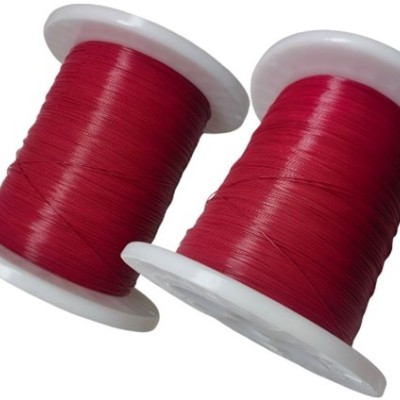
FEP is commonly used in wire constructions that require stable insulation performance, chemical resistance, and good overall process suitability. It is often selected for high-performance lead wires where a fluoropolymer insulation is needed, but the final decision still depends on the construction and the operating environment.
Typical considerations for FEP-insulated lead wires include:
- Stable electrical insulation performance
- Chemical exposure in industrial environments
- Compact cable or lead wire construction
- Application-specific processing needs
As with all insulation materials, FEP should be evaluated in the context of the actual wire design rather than as a standalone material label.
ETFE Insulation
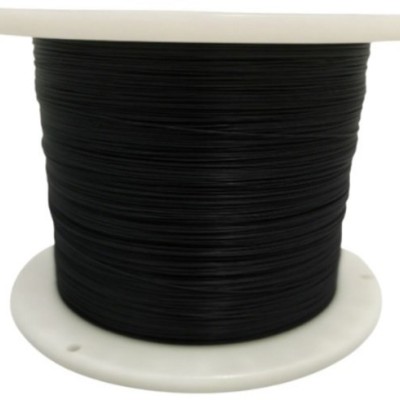
ETFE is often selected where mechanical durability, abrasion resistance, and compact wire construction are important. In lead wire applications, it is commonly considered when the wire must perform reliably under handling, routing, or physical wear conditions.
ETFE-insulated lead wires may be relevant for:
- Compact assemblies
- Mechanically demanding installations
- Technical lead wire constructions requiring durable insulation
- Applications where both physical toughness and structural efficiency matter
Its suitability still depends on the total design requirement rather than on insulation family alone.
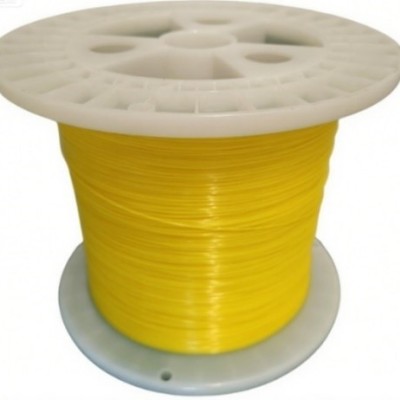
PFA Insulation
PFA is commonly considered for demanding applications where a high-performance fluoropolymer insulation system is required. It is often used in insulated lead wire constructions that must maintain reliable insulation performance under more severe operating conditions.
PFA may be evaluated for:
- Harsh industrial environments
- Chemically exposed lead wires
- High-performance insulated wire constructions
- Applications where long-term insulation reliability is critical
As with PTFE and FEP, the final material decision should be based on the actual construction and intended use.
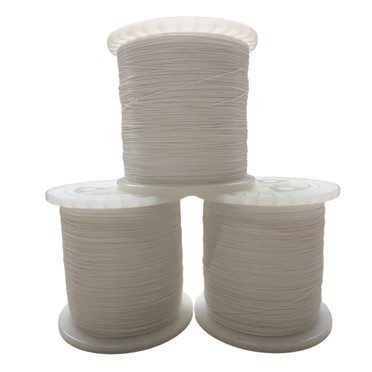
XLPE Insulation
XLPE is often used in lead wire constructions that aim to balance performance and cost. It may be suitable for many standard industrial applications, depending on the required operating condition, environment, and assembly process.
Typical reasons to consider XLPE include:
- Practical cost-performance balance
- Standard equipment wiring or lead wire use
- Applications where fluoropolymer insulation is not required
- General industrial environments with moderate demands
XLPE should still be checked against the actual thermal, chemical, and mechanical conditions of the application.
PEEK Insulation
PEEK belongs to the specialty high-performance category and is generally considered for more demanding technical uses. In lead wire design, it is usually selected only when the application requires a more advanced insulation system than standard industrial materials can provide.
PEEK may be considered for:
- Advanced technical assemblies
- Severe operating environments
- Compact, high-performance lead wire designs
- Applications with demanding structural and environmental requirements
Because PEEK is a specialty material, it is typically chosen for specific technical reasons rather than as a default upgrade.

End-Use Applications Should Drive Material Selection
The same wire construction can be highly effective in one application and unsuitable in another. This is why application context should always come first in wire material selection.
Sensor and Instrumentation Lead Wires
Sensor lead wires often operate in compact structures where conductor stability, insulation performance, and assembly compatibility all matter. This is especially relevant for NTC, PTC, and related sensing applications, where the lead wire becomes part of the functional device rather than just a connection element.
In these applications, buyers and engineers should consider:
- Thermal behavior around the sensor
- Compatibility with the sensing structure
- Long-term consistency in operation
- Ease of handling during assembly
- Whether the final design requires a complete insulated lead wire rather than a raw conductor
This makes sensor lead wire selection more application-specific than general wiring selection.
Harsh-Environment Lead Wires
Some lead wire constructions are selected because they need to operate under more demanding conditions than standard wiring. These conditions may include elevated heat, oxidation risk, chemical exposure, aggressive cleaning processes, or more demanding assembly requirements.
In harsh-environment applications, material selection often focuses on:
- Oxidation resistance
- Insulation stability under exposure
- Compatibility between conductor and insulation
- Reliability over the expected service period
This is where matched constructions such as nickel-based conductors with high-performance insulation systems are often evaluated more seriously.
High-Performance Insulated Lead Wires
In many technical applications, the user is selecting a complete insulated lead wire construction, not just a conductor material or insulation family in isolation. This is an important distinction.
In such cases, the selection logic becomes:
- Which conductor system fits the application
- Which insulation material fits the operating condition
- Whether additional processing, such as surface treatment, is required
- Whether the wire is being used in sensing, control, compact assembly, or other technical integration
This approach is more realistic than comparing materials abstractly.
Application Reference Table for Lead Wire Material Selection
The table below provides a practical starting point for matching common application needs with conductor and insulation directions. It is not a substitute for product-specific engineering review, but it can help narrow the selection path.
| Application | Common Conductor Direction | Common Insulation Direction | Why It Is Often Considered |
| Sensor lead wires | Tin-coated alloy or application-matched conductor | PTFE, FEP, or application-specific insulation | Supports sensor integration, compact construction, and stable assembly performance |
| Harsh-environment lead wires | Nickel-based or silver-finished conductor options | PTFE, PFA, ETFE | Often selected for oxidation resistance, insulation stability, and matched performance |
| General industrial lead wires | Tin-coated conductor options | XLPE, FEP | Helps balance cost, processing compatibility, and practical durability |
| Compact high-performance assemblies | Silver-finished nickel-based conductor options | PTFE, ETFE, PEEK | Commonly considered where space, durability, and higher-performance construction all matter |
| Chemically exposed applications | Application-matched conductor system | PTFE, FEP, PFA | Often used where chemical compatibility and long-term insulation stability are important |
| Processing-sensitive assemblies | Conductor selected by assembly requirement | PTFE or etched PTFE where relevant | Useful when bonding, stripping, or downstream surface-related processing must be considered |
This table is best used as an initial reference. Final material selection should still be based on the exact wire construction, operating condition, and assembly process.
How to Match Conductor and Insulation More Carefully
Rather than claiming one material is universally better than another, it is more accurate to discuss common matching strategies.
When PTFE-Based Lead Wire Constructions May Be Considered
PTFE-based lead wire constructions are often evaluated when the application requires a high-performance insulation system, especially in compact, chemically exposed, or technically demanding environments.
They may be considered when users need:
- Stable insulation behavior
- Compatibility with demanding environments
- A fluoropolymer-based insulated lead wire
- Additional processing compatibility in some designs
If special bonding or related assembly steps are involved, etched PTFE constructions may also be relevant.
When Silver-Finished Nickel-Based + PTFE Constructions May Be Considered
A silver-finished nickel-based conductor paired with PTFE insulation is often considered in higher-performance insulated lead wire designs where conductor stability and insulation performance both matter.
This type of construction may be relevant when:
- The application involves a demanding operating environment
- A matched conductor and insulation system is preferred
- The lead wire must support more than basic general-purpose use
- Long-term reliability is important within the intended design context
This is a more accurate way to describe the construction than calling it the universal best choice for every high-temperature or industrial use case.
When Tin-Coated Alloy Lead Wire Constructions May Be Considered
Tin-coated alloy lead wire constructions are often relevant in sensor-related designs, especially where the lead wire is part of the overall device structure rather than a simple electrical extension.
They may be considered when:
- The application involves NTC, PTC, or related sensor lead wires
- The design requires compatibility between conductor behavior and sensor function
- The wire must integrate well with the total assembly process
Again, the final decision should be based on the full construction and application requirement.
Questions Buyers and Engineers Should Ask Before Finalizing a Wire Specification
Many wire selection problems come from relying on material names instead of confirming the actual construction.
Key questions to ask
- What is the exact conductor structure and surface finish?
- Is the product a raw conductor or a complete insulated lead wire?
- What insulation material is used in the final construction?
- Will the wire be exposed to chemicals, oils, solvents, or repeated heat?
- Does the assembly process involve bonding, stripping, soldering, or special surface treatment?
- Is the wire intended for sensing, instrumentation, or another application-specific function?
- Does the supplier provide stable and repeatable construction quality?
These questions help turn material selection into a specification-based decision rather than a terminology-based one.
Common Mistakes in Wire Material Selection
Some of the most common mistakes in lead wire selection come from oversimplifying materials.
Treating Material Family Names as Complete Performance Guarantees
Names such as PTFE, FEP, ETFE, XLPE, PFA, and PEEK are useful starting points, but they do not fully define how a finished wire will perform. Construction details still matter.
Assuming All Silver-Related Conductor Terms Mean the Same Thing
Terms such as silver plated, silver coated, and silver-finished nickel-based conductor may be used differently depending on the supplier or product family. This is why technical confirmation of the actual conductor structure is important.
Comparing Insulation Materials Without Reference to the Application
Questions such as “Is PTFE better than FEP?” are often too broad to be useful. A more practical question is: Which construction best matches the actual operating environment and assembly process?
Using Broad Chemical-Resistance Claims Without Defining the Condition
Chemical compatibility should always be checked against the real media, concentration, temperature, and exposure duration. General claims should never replace application-specific verification.
Final Takeaway
Choosing the right wire material for lead wires requires more than comparing conductor names or insulation families. The most reliable approach is to evaluate the complete wire construction against the real application.
For many technical applications, especially in sensor lead wires, compact assemblies, and harsh-environment systems, the conductor, surface finish, insulation material, and assembly requirement must all be considered together. A material that looks strong on paper may still be the wrong choice if it does not match the processing method, operating condition, or long-term performance target.
The key takeaway is simple:
Wire material selection should be based on complete construction, actual service conditions, and end-use requirements—not on material names alone.
Need a Matched Lead Wire Solution?
Selecting the right lead wire often requires more than choosing a conductor or insulation material separately. In many applications, the best result comes from matching the conductor system, surface finish, insulation type, and processing requirement to the real design condition.
For sensor lead wires, harsh-environment applications, and custom insulated wire constructions, a specification-based approach can help improve assembly compatibility, long-term reliability, and overall application fit.
Custom lead wire constructions can be evaluated based on application type, operating environment, and processing needs.
FAQ
Q: What is the most important factor when choosing a lead wire material?
A: The most important factor is the complete application requirement, not a single material property. A suitable lead wire must be evaluated based on conductor type, surface finish, insulation system, assembly process, and actual operating environment. In many cases, a balanced construction is more effective than choosing the highest-spec material in only one category.
Q: How do I choose between conductor material and insulation material?
A: Conductor and insulation should be selected together, not separately. The conductor influences electrical performance, oxidation behavior, and processing compatibility, while the insulation affects chemical resistance, mechanical durability, and environmental suitability. The right choice depends on how the full wire construction will perform in the final application.
Q: When is PTFE insulation commonly used for lead wires?
A: PTFE is commonly used when the application requires a high-performance insulation system with strong chemical resistance and stable behavior in demanding environments. It is often considered for sensor lead wires, harsh-environment constructions, and compact technical assemblies. Final suitability should still be confirmed against the actual operating condition and processing requirement.
Q: Is PTFE always better than FEP or ETFE?
A: No. PTFE, FEP, and ETFE each have application-specific advantages. PTFE is often chosen for high-performance insulation requirements, FEP is commonly selected for stable overall fluoropolymer performance, and ETFE is often considered where mechanical durability and compact construction matter. The better choice depends on the final wire design and use condition.
Q: What does silver-finished nickel-based conductor mean?
A: It generally refers to a nickel-based conductor with a silver-related surface finish. Depending on the supplier or product family, this may be described as silver plated, silver coated, or in similar terms. Because industry terminology is not always identical, the exact conductor structure should always be confirmed through the product specification.
Q: When are tin-coated conductors commonly used?
A: Tin-coated conductors are commonly used in lead wire applications that require practical cost control, processing compatibility, and general oxidation resistance. They are often found in equipment wiring, standard insulated lead wires, and some sensor-related constructions, depending on the conductor base and overall design.
Q: What type of wire is commonly used for sensor lead wires?
A: Sensor lead wires are often built with application-matched conductors and insulation systems rather than a single universal material. Tin-coated alloy conductors, nickel-based options, PTFE insulation, and FEP insulation may all be relevant, depending on the sensor design, assembly process, and environmental conditions.
Q: When should etched PTFE wire be considered?
A: Etched PTFE wire is commonly considered when the assembly process requires improved surface compatibility for bonding or related downstream processing. It is not necessary in every PTFE wire application, but it may be useful when untreated PTFE surface characteristics are not sufficient for the intended manufacturing step.
Q: Is chemical resistance enough to choose an insulation material?
A: No. Chemical resistance is important, but it should never be treated as the only decision factor. The actual media, concentration, exposure time, temperature, mechanical handling, and assembly process all affect whether an insulation material is suitable for a specific lead wire application.
Q: What questions should buyers ask before selecting a lead wire?
A: Buyers should confirm the exact conductor structure, surface finish, insulation type, application environment, assembly method, and consistency of the final wire construction. These details are more useful than relying on broad material labels alone.