
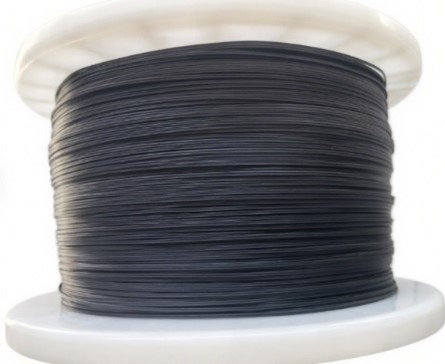
When a wire needs to do more than carry current, material selection becomes much more important. In many technical assemblies, especially those involving epoxy powder, resin, or similar bonding processes, the wire must work as part of the total structure. In these cases, choosing a standard PTFE-insulated wire may not always be enough. Surface condition, conductor design, temperature resistance, and environmental suitability all begin to matter.
This is where etched PTFE wire becomes relevant. Compared with standard PTFE insulation, etched PTFE offers improved surface compatibility for bonding-related processes. When combined with a silver plated nickel conductor, the result is a lead wire construction that may be better suited for demanding assemblies, elevated temperatures, and harsh industrial environments.
Below is a structured look at why etched PTFE wire is used in bonding applications, how it differs from standard PTFE wire, and where this type of wire construction is commonly considered.
What Is Etched PTFE Wire?
Etched PTFE wire is a type of insulated wire in which the PTFE insulation surface has been treated to change its surface characteristics. Standard PTFE is well known for its smooth, chemically resistant surface, but that same smoothness can create limitations in bonding-related applications.
Why the surface matters
In many assemblies, the wire is not just routed or terminated. It may also need to interact with adhesives, epoxy materials, powders, or resins used in the surrounding structure. In such cases, the outer surface of the insulation becomes important.
A normal PTFE surface is typically very smooth and low in surface energy. This often makes direct bonding difficult. By contrast, an etched PTFE surface is modified to improve bonding compatibility.
What etching changes
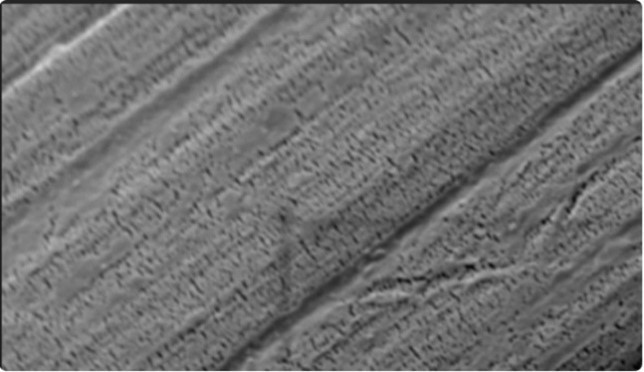
After the etching process, the PTFE insulation surface becomes rougher and more suitable for bonding-related assembly steps. In practical terms, this may help improve adhesion performance where untreated PTFE would otherwise be difficult to integrate into the final structure.
This is why etched PTFE wire is often considered not simply as a wire material, but as part of an assembly-oriented wire solution.
Why Standard PTFE Wire Can Be Difficult to Bond
Standard PTFE insulation has many recognized advantages, including chemical resistance, stable insulation behavior, and suitability for demanding environments. However, when bonding is required, its surface properties can become a challenge.
Smooth surface and low adhesion
A standard PTFE surface is naturally smooth. In applications involving epoxy powder or resin-based bonding processes, this can lead to poor adhesion between the PTFE insulation and the surrounding material.
This may create issues such as:
- Weak bonding strength
- Limited compatibility with adhesive-based assembly
- Reduced integration reliability in composite or bonded structures
- Additional processing difficulty during manufacturing
When this becomes a real problem
This limitation matters most when the wire becomes part of the product structure rather than just an electrical connection. Examples may include:
- Sensor-related assemblies
- Bonded electronic or industrial components
- Encapsulated or resin-filled structures
- High-performance lead wire systems in compact designs
In these applications, the wire must fit the manufacturing process as well as the electrical requirement.
How Etching Improves PTFE Bonding Performance
The main reason for using etched PTFE wire is to improve how the insulation surface interacts with bonding materials.
A rougher, more bondable surface
After etching, the PTFE surface becomes less smooth and more compatible with adhesive-related processes. In practical use, this means the insulation can work more effectively with surrounding materials such as epoxy powder or resin systems.
This change can help improve:
- Surface compatibility
- Adhesion performance
- Assembly integration
- Structural bonding reliability
Why this matters in technical manufacturing
In technical manufacturing, small material mismatches often become large reliability problems later. A wire with excellent electrical performance may still be the wrong choice if it does not fit the bonding process used in the product assembly.
That is why etched PTFE wire is often selected not because PTFE itself is new, but because the surface-engineered version of PTFE is more useful in bonding-focused designs.
Why Conductor Structure Also Matters
In bonding applications, users sometimes focus only on the insulation. That is understandable, but incomplete. A high-performance wire construction depends on both the insulation system and the conductor system.
Silver plated nickel conductor
In this wire construction, the conductor is silver plated nickel. This type of conductor is often considered in applications where users need a conductor system with stable surface performance and suitability for more demanding conditions.
Depending on the final design, a silver plated nickel conductor may be relevant for:
- High-performance lead wires
- Elevated-temperature applications
- Harsh-environment assemblies
- Compact technical components
- Structures requiring matched conductor and insulation performance
Why the complete wire construction matters
A wire used in bonding applications may also be exposed to heat, chemical media, or long-term operational stress. If the insulation is chosen correctly but the conductor is not, the overall construction may still fail to meet the application requirement.
This is why material selection should always consider the complete wire construction, including:
- Conductor material
- Surface finish
- Insulation type
- Assembly process
- End-use environment
High-Temperature Performance in Demanding Applications
Etched PTFE wire is often considered in applications where temperature capability is an important part of the design requirement.
Continuous and short-term temperature exposure
A PTFE jacket rated for 260°C continuous operation and 300°C short-term exposure can be relevant in many demanding industrial or technical environments. This makes the wire construction suitable for applications where ordinary insulation systems may not be appropriate.
Why temperature capability alone is not enough
Temperature resistance is important, but it should not be treated as the only selection factor. In real applications, the following conditions also affect wire suitability:
- Duration of heat exposure
- Mechanical handling at temperature
- Chemical media present in the environment
- Bonding or encapsulation method
- Overall wire construction
In other words, a wire should not be selected only because it can withstand heat. It should be selected because its total construction matches the real operating condition.
Suitability for Harsh Environments
In addition to bonding performance and temperature capability, this type of wire construction may also be suitable for more demanding environments.
Oil, acid, and industrial exposure
PTFE-insulated wire is often evaluated for use in harsh conditions, including environments involving oil or acidic media. In these applications, both insulation stability and conductor compatibility matter.
This makes etched silver plated nickel PTFE wire relevant for environments where the wire may need to support:
- Chemical exposure
- Elevated process temperatures
- Compact assembly requirements
- Long-term functional stability
- Application-specific integration needs
A more practical way to describe harsh-environment suitability
Rather than saying a wire is universally suitable for all aggressive environments, it is more accurate to say that it may be considered for harsh environments depending on the actual media, exposure time, temperature, and construction requirements.
This kind of careful wording is important in technical writing because it reflects how engineers and buyers actually make decisions.
Typical Applications of Etched Silver Plated Nickel PTFE Wire
This wire construction is especially relevant where bonding compatibility, temperature resistance, and structural performance are all important.
Common application directions
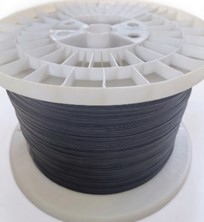
Etched silver plated nickel PTFE wire may be considered for:
- Bonding-related wire assemblies
- Epoxy powder or resin-integrated structures
- Sensor lead wires
- Compact industrial components
- High-temperature lead wire applications
- Harsh-environment wiring systems
- Technical assemblies requiring improved insulation surface compatibility
Why these applications matter
These are not just “wire uses” in a generic sense. They are application types where the wire becomes part of the product design, manufacturing logic, or environmental performance requirement.
That is what makes etched PTFE wire different from a standard insulated wire selected only for basic electrical connection.
Common Mistakes When Choosing Wire for Bonding Applications
In many cases, wire selection problems happen because the user focuses on one feature and ignores the rest of the structure.
Mistake 1: Choosing PTFE based only on temperature resistance
PTFE is often selected because of its heat resistance, but bonding-related applications require more than thermal performance. Surface compatibility can be just as important.
Mistake 2: Assuming all PTFE wire surfaces behave the same way
A standard PTFE surface and an etched PTFE surface are not functionally equivalent in bonding processes. That difference can directly affect manufacturing results.
Mistake 3: Ignoring the conductor system
Even when the insulation is appropriate, the conductor still needs to match the operating condition, structural design, and performance target.
Mistake 4: Treating harsh-environment claims too broadly
Oil resistance, acid exposure, and temperature stability should always be evaluated in relation to the actual application conditions rather than as broad marketing statements.
Final Takeaway
Etched PTFE wire is used in bonding applications because it solves a real material limitation found in standard PTFE insulation. While conventional PTFE offers excellent insulation stability and chemical resistance, its smooth surface can make bonding difficult in assemblies involving epoxy powder, resin, or similar materials.
By contrast, etched PTFE wire provides improved surface compatibility for bonding-related processes. When combined with a silver plated nickel conductor and a 260°C PTFE insulation system, it becomes a more suitable wire construction for demanding technical assemblies, high-temperature applications, and harsh industrial environments.
The most important takeaway is this:
For bonding applications, wire selection should be based on the complete construction of the wire—not on insulation material name alone.
Need a Wire Solution for Bonding or High-Temperature Applications?
In many projects, selecting the right wire means matching the conductor, insulation, and surface condition to the actual assembly process. For applications involving bonding, epoxy systems, elevated temperatures, or harsh environments, a standard wire may not always be the best fit.
A more application-based approach can help improve bonding compatibility, manufacturing integration, and long-term reliability.
Etched silver plated nickel PTFE wire can be evaluated based on conductor design, temperature requirement, bonding method, and end-use environment.
FAQ
Below are some common questions related to etched PTFE wire and bonding applications.
What is etched PTFE wire used for?
Etched PTFE wire is commonly used in applications where the insulation surface needs better compatibility with bonding-related processes. It may be considered in assemblies involving epoxy powder, resin, or similar materials.
Why is standard PTFE wire difficult to bond?
Standard PTFE wire has a very smooth, low-energy surface. This can make adhesion to epoxy, resin, or other bonding materials relatively poor compared with an etched PTFE surface.
Is etched PTFE wire better for epoxy bonding?
In many bonding-related applications, etched PTFE wire is more suitable than untreated PTFE because the etched surface is more compatible with adhesion-based processes.
What is the benefit of a silver plated nickel conductor?
A silver plated nickel conductor may be considered where a project requires a conductor system suitable for demanding environments, elevated temperatures, or matched high-performance wire construction.
Can etched PTFE wire be used in high-temperature applications?
It may be considered for high-temperature applications when the full wire construction fits the design requirement. In this case, a PTFE jacket rated for 260°C continuous use and 300°C short-term exposure supports use in demanding thermal conditions.